
Ten years from now, will Srinagar remain livable?
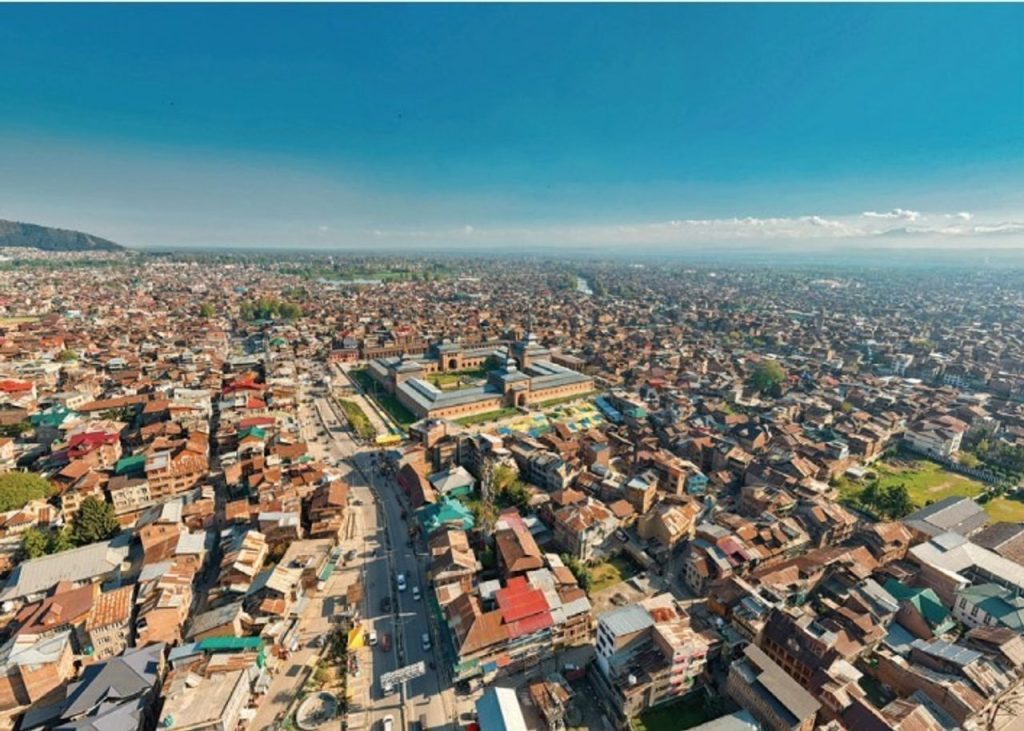
All of us know that a city is not made livable by roads, malls or tall buildings. Rather it becomes livable when air is clean; water is safe; old trees still offer shade; birds are heard at dawn; children can walk without fear of stray dogs; and daily travel does not become an exhausting struggle. That is what real progress looks like. Srinagar has always been a city blessed by nature. Every season changes the city into a different painting. Perhaps few places in the world are as naturally beautiful as Srinagar. Yet beauty alone cannot guarantee a livable future. The question is simple: Will Srinagar remain livable ten years from now? The answer depends not on what the government will do. It largely depends on how every one of us behaves. Srinagar is growing rapidly. It’s getting choked. New colonies are appearing every year. More vehicles are occupying the roads. Open spaces are disappearing without notice. Wetlands are shrinking. Concrete is replacing green. Streams are turning into dumping sites. The skyline is changing faster than the ecosystem can adapt. Traffic in Srinagar has become a daily burden. A journey that once took 15 minutes now often takes 45, wasting fuel, increasing pollution, adding stress, and taking away precious time from work and family. Clean air is also slowly fading under the pressure of traffic, construction and waste burning. Pollution here didn’t arrive overnight. It was build up silently untill people treated it as ‘normal’. As far as our water resources, they face an even bigger threat. Lakes, rivers and springs are not endless. They need protection, not praise. Dal Lake cannot remain our pride if its waters continue to shrink, suffer pollution and face encroachment. Nature does not survive on compliments. It survives on care. Green spaces matter too. Parks are not empty land waiting for construction or encroachment. They are airy places where children can play, older people walk, and minds recover from the pressures of daily life. All this related to climate change is no longer a distant discussion. Summers are becoming warmer. Rainfall patterns are changing. The weather is becoming less predictable. Floods, heat and water scarcity are no longer impossible scenarios. No gain saying that cities ignoring environmental resilience eventually pay a much higher price. But livability is about more than the environment. It is also about people. Can elderly and children walk safely on the pavement? Can a person using a wheelchair enter public buildings with dignity? Can children cycle without harm and fear of stray dogs? Can neighbours still recognise one another? These questions rarely appear in development reports. Yet they define the quality of life more than huge buildings ever can. A livable city is one where kindness is visible; where people don’t live in posh ‘silos’; where people respect public spaces because they belong to everyone; where litter is not someone else’s problem; where traffic rules are followed even when nobody is watching; and where citizens plant trees whose shade they may never sit under. The future of Srinagar will not be decided only by large infrastructure projects. It will also get shaped by thousands of small daily choices. Using less plastic. Saving water. Protecting wetlands. Keeping neighbourhoods clean. Respecting public property. Teaching children to value nature. These actions appear small, but we need to remember that cities are built on habits. Ten years is not a long time. Children entering school today will become young adults. Trees planted today will begin offering shade. Decisions taken today will determine whether future generations inherit a healthier city or spend their lives repairing the damage we leave behind. Srinagar does not need to become the biggest city. It needs to become one of the best places to live. That requires vision. It requires planning. It requires responsible citizens. Above all, it requires remembering that progress is not measured only by what we build, but also by what we choose to protect. The real question is not whether Srinagar will be livable ten years from now. The actual question is whether we are willing to make the choices today that will keep it that way.
Source: Read Full Article


Leave a Reply