
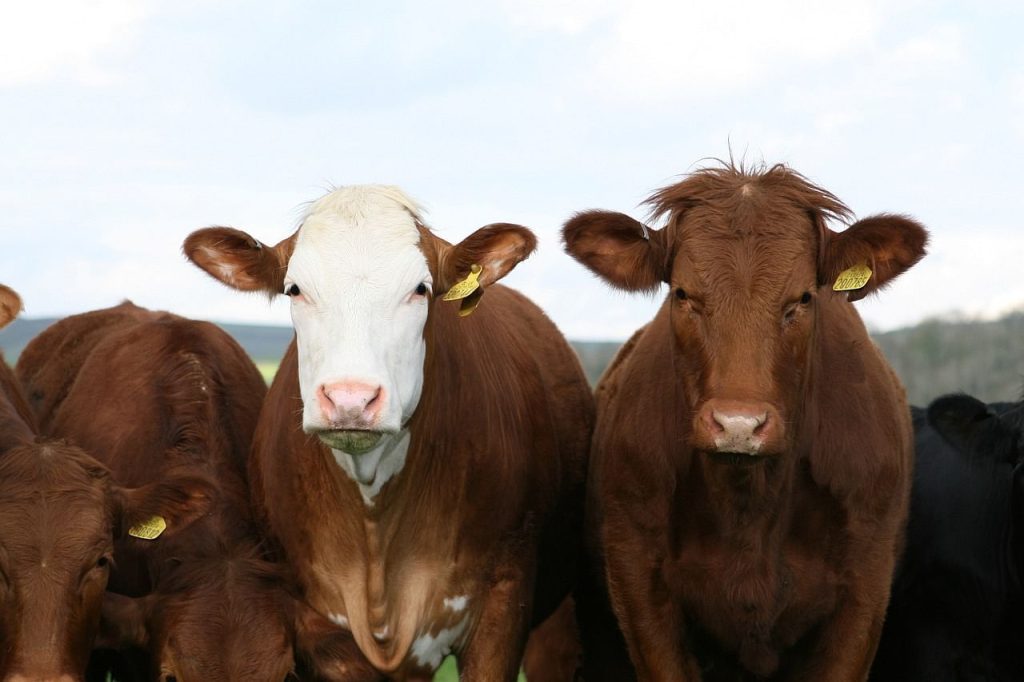
We live in residential colonies, and fresh milk is an everyday necessity. In fact, our day often begins with a cup of tea. Many of us relish curd, cheese is a favourite among children, and milk remains the primary source of nutrition for infants. While packaged milk is readily available in supermarkets and local shops, its quality is often questioned. Keeping a cow ourselves is no longer practical because of shrinking landholdings, congested neighbourhoods, and the demands of modern lifestyles. The common alternative is to buy milk from a local supplier who procures it from nearby villages and delivers it to our homes. However, the purity and quality of the milk ultimately depend on the supplier’s integrity. Since it is sourced from multiple farmers, its origin is often difficult to trace. Added to this is the risk of spoilage during transportation, particularly in the absence of an efficient cold chain. Is there a better option? Perhaps there is. We may not be able to keep a cow ourselves, but we can certainly help someone else to do so. In this context, Kashmir once had a time-tested tradition known as Aedij—a community arrangement in which families jointly owned a cow that was reared by another household in return for a share of the milk or other mutually agreed benefits. Though this practice has largely disappeared, its underlying principle remains remarkably relevant. A few households in a residential colony could pool their resources to purchase a cow and entrust it to an underprivileged family living on the outskirts of the colony. The family would rear the animal with proper care and supply fresh milk daily to the participating households. Suitable household food leftovers, wherever safe and appropriate, could also be collected and used as part of the cow’s feed, supplemented with balanced fodder and concentrate. Today, many households pack leftover food in polythene bags before discarding it. Stray cattle often consume these leftovers along with the plastic, resulting in serious digestive disorders. A community-managed arrangement would not only reduce food waste but also help prevent animals from ingesting harmful plastic. The benefits of such a system extend well beyond the supply of fresh milk. It provides households with a trusted source of wholesome milk, offers a dignified and sustainable livelihood to an economically weaker family, reduces food waste, protects stray cattle from plastic ingestion, and strengthens bonds within the community. It also revives a cherished local tradition in a form suited to contemporary urban life. Sometimes, the most effective solutions to modern challenges are rooted in the wisdom of our own traditions. Reviving the spirit of Aedijcould be one such solution—bringing together trust, sustainability, and social responsibility through the humble cow. Dr. Zubair Ahmad War, alumnus, SKUAST-Kashmir
Source: Read Full Article